rice happy earth
At rice, we’ve always loved adding a little extra magic to the everyday. But the real magic is care - the kind you show through actions, not statements.
That’s the heart of rice happy earth: our long-term nature project on 36 hectares of former farmland in Denmark, close to our HQ. A place we chose to give back to nature - and to future generations.
“For me, rice happy earth is a very small project, but it’s a real effort to help the planet. In fact, it’s a kind of payback to the future generations.” Philippe Guéniau, CEO and Co-founder of rice
The facts
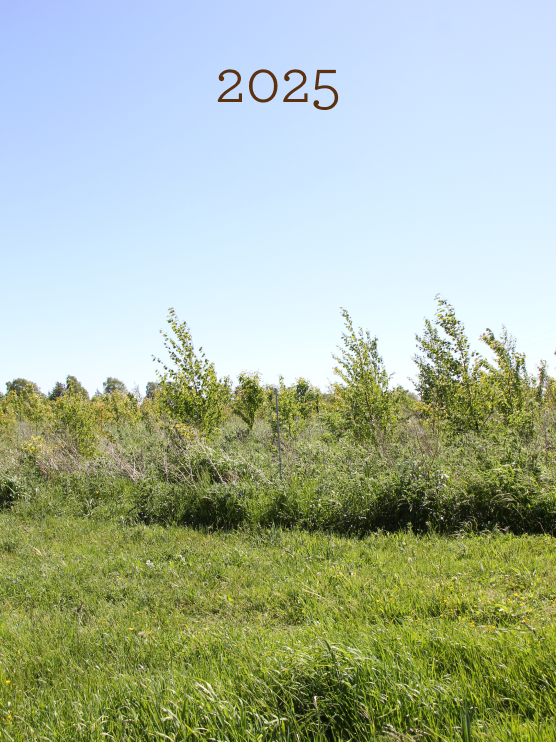
36 hectares transformed from farmland into forest and nature habitat
~65,000 trees planted near rice HQ
20 species of trees and bushes
4.2 km of fencing to protect young trees
6,000 m² wildflowers - replanted every third year
7 ponds/lakes supporting wildlife (birds + amphibians)
6,000 fruit trees planted to boost biodiversity
What it helps protect
As a protected area without conventional cultivation, the project helps reduce the risk of chemicals and nutrients seeping into groundwater - supporting healthier water and nature around it.
Climate
A growing forest stores carbon over time. It’s a long journey, but it starts with doing something real - and we started.
Biodiversity
Mixed species, wildflowers, water habitats, and open areas create better conditions for insects, birds, amphibians, and small mammals - more life, more balance, more nature doing what it does best.
Not just a promise on paper
rice happy earth is a place you can visit. You can follow the seasons, see what’s changing, and feel that this is real - “hard evidence in a world full of words.”
It’s also deeply personal to our CEO and Co-founder, Philippe - who spends at least two days a week in the area, planting, maintaining, and improving it, week by week.
The UN Global Goals we grow with
rice happy earth is our way of making care visible. Not as a perfect solution - but as a real, local commitment that grows over time. A place that reminds us to act, to protect what matters, and to keep creating space for nature to thrive.
Because every journey starts with one step - and this is ours.


From farmland to a living landscape
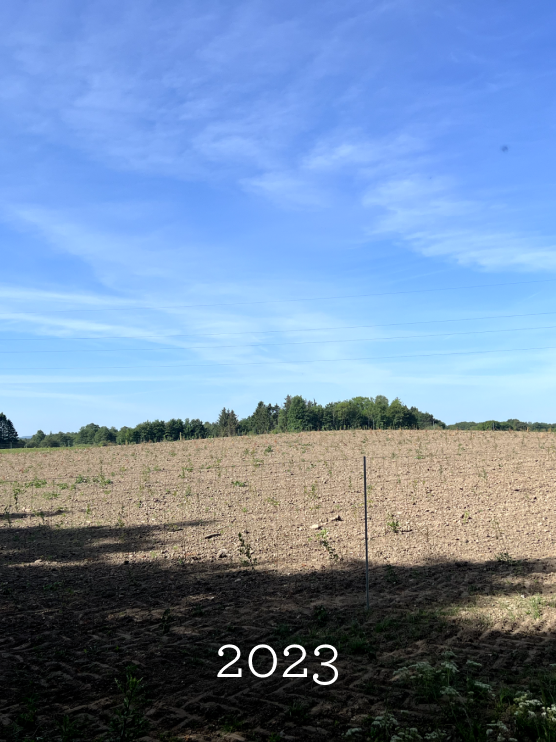
Rice Happy Earth began with a simple decision: to turn conventional farmland into a protected landscape where nature can return at its own pace.
In 2023, we planted 65,000 trees across 20 species to establish a resilient, growing forest. To support biodiversity, we also planted 6,000 fruit trees and created 6,000 m² of wildflower areas, replanted every third year, providing food and shelter for wildlife.
Young trees are protected by 4.2 km of fencing, giving the forest a calm start. Water restoration is equally important: one lake was cleaned to reduce pollution and protect groundwater, while another was re-established as a drinking source for wildlife. Together with seven ponds and lakes, the area now offers safe access to water for birds, amphibians, and other forest species during dry periods.
Supported by